Quality Healthcare with Compassion Emergency: 8437343300

Conditions & procedures

Conditions & procedures we help with

Clear, practical information on common health problems in Jalandhar and Punjab, and on the tests and procedures your doctor may advise.

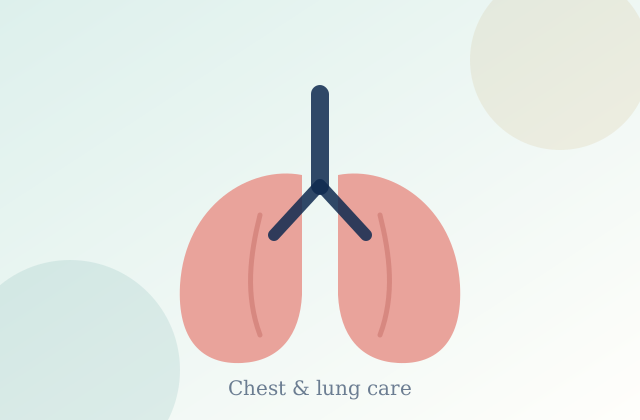
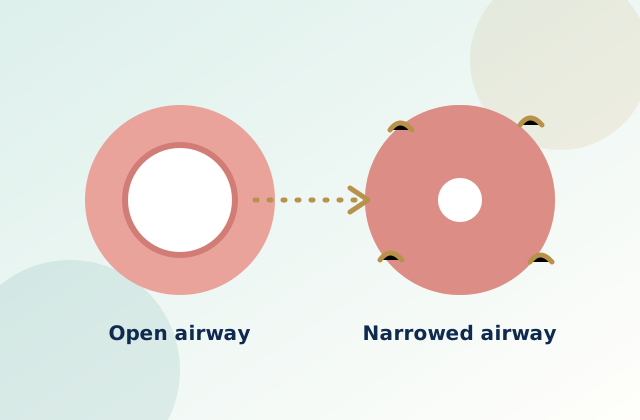
Asthma — illustration
Chest & lungs

Asthma

In asthma the breathing tubes become inflamed and narrow, making it hard to move air in and out. It can start at any age and is controllable with the right plan.

Common symptoms

  • Wheezing or a whistling sound while breathing
  • Cough, especially at night or early morning
  • Chest tightness
  • Breathlessness on exertion or exposure to dust, smoke or cold air
When to see a doctor

You need your reliever more often than usual, symptoms wake you at night, or a child is struggling to breathe, speaking in short phrases or has blue lips — seek urgent care.

Usual tests: Clinical examination, spirometry (lung function test) and a review of triggers.

Book a consultation
COPD (chronic bronchitis & emphysema) — illustration
Chest & lungs

COPD (chronic bronchitis & emphysema)

Chronic obstructive pulmonary disease (COPD) is a progressive condition in which airflow out of the lungs is reduced. Stopping smoke exposure and early treatment slow it down.

Common symptoms

  • Cough with phlegm for months
  • Breathlessness while walking or climbing stairs
  • Frequent chest infections
  • Wheeze and tiredness
When to see a doctor

You are a smoker or have long exposure to smoke or dust and have a cough that does not go away, or breathlessness is increasing.

Usual tests: Spirometry, chest X-ray and review of oxygen levels.

Book a consultation
Chronic cough & tuberculosis (TB) — illustration
Chest & lungs

Chronic cough & tuberculosis (TB)

Tuberculosis is a bacterial infection that mainly affects the lungs. It spreads through the air and is treatable with a complete, supervised course of medicines.

Common symptoms

  • Cough for more than two weeks
  • Fever, night sweats or unexplained weight loss
  • Coughing up blood-stained sputum
  • Loss of appetite and tiredness
When to see a doctor

A cough lasts more than two weeks, you cough up blood, or someone at home has TB. Do not stop TB medicines early.

Usual tests: Sputum tests, chest X-ray and other tests as advised by the chest physician.

Book a consultation
Breathlessness (shortness of breath) — illustration
Chest & lungs

Breathlessness (shortness of breath)

Breathlessness (dyspnoea) is a symptom, not a diagnosis. The pattern — sudden or gradual, at rest or on effort — helps the doctor find the cause.

Common symptoms

  • Breathing faster or harder than normal
  • Needing to stop while walking or talking
  • Waking up breathless at night
  • Swelling of the feet or chest pain with breathlessness
When to see a doctor

Breathlessness is new, getting worse, or comes with chest pain, fainting, blue lips or coughing blood — go to emergency care immediately.

Usual tests: Examination, oxygen saturation, chest X-ray, spirometry and blood tests as needed.

Book a consultation
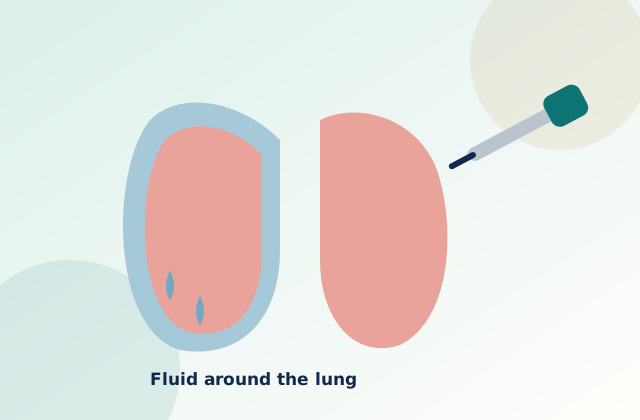
Pleural effusion (fluid around the lung) — illustration
Chest & lungs

Pleural effusion (fluid around the lung)

The lungs are wrapped in a thin lining. When fluid collects between the layers it is called a pleural effusion. It has many causes, so finding the reason is important.

Common symptoms

  • Breathlessness, especially lying flat
  • Dull chest pain that worsens on deep breaths
  • Dry cough
  • Reduced ability to exercise
When to see a doctor

You have increasing breathlessness or one-sided chest pain, with or without fever.

Usual tests: Chest X-ray or ultrasound, and pleural tapping to test the fluid when advised.

Book a consultation
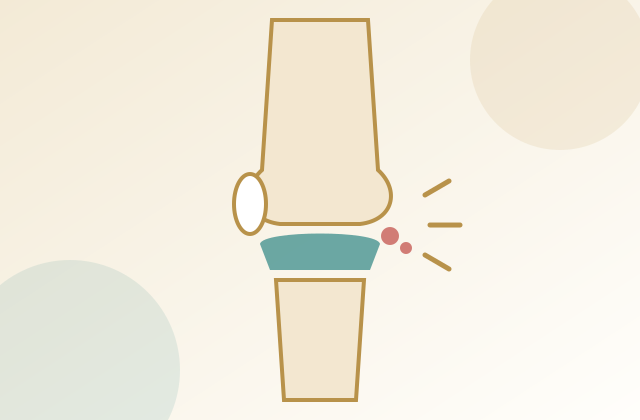
Knee pain & arthritis — illustration
Bones & joints

Knee pain & arthritis

Knee pain may come from osteoarthritis, ligament or meniscus injury, or inflammatory arthritis. Early advice and exercise often prevent worsening.

Common symptoms

  • Pain while climbing stairs or standing up
  • Morning stiffness or swelling
  • Clicking or giving way of the knee
  • Difficulty squatting or sitting cross-legged
When to see a doctor

Pain lasts more than a couple of weeks, the knee is swollen, hot or locked, or you cannot bear weight.

Usual tests: Examination, X-ray and other imaging if needed.

Book a consultation
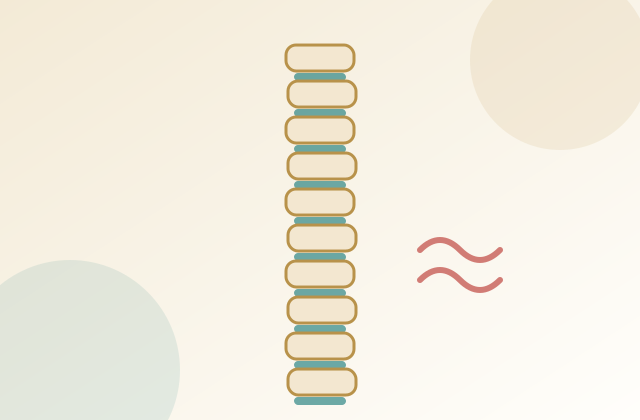
Back & spine pain — illustration
Bones & joints

Back & spine pain

Back pain is often from muscle strain or disc and joint wear. Certain red-flag symptoms point to nerve involvement and should not be delayed.

Common symptoms

  • Pain in the lower back or neck
  • Pain, tingling or numbness spreading down the leg or arm
  • Stiffness after sitting or in the morning
  • Pain that worsens with bending or lifting
When to see a doctor

Back pain comes with leg weakness, numbness in the groin area, loss of bladder or bowel control, fever, or follows a fall — seek urgent care.

Usual tests: Examination, X-ray and MRI when the doctor advises.

Book a consultation
Fever & infections in children — illustration
Children

Fever & infections in children

Fever is the body’s response to infection. What matters is the child’s age, how they are behaving, and any accompanying symptoms.

Common symptoms

  • Temperature above 38°C (100.4°F)
  • Cough, cold, sore throat or loose motions
  • Reduced feeding or playfulness
  • Rash, ear pain or burning urine
When to see a doctor

The baby is under 3 months old with any fever, fever lasts more than 3 days, or the child is drowsy, has fast breathing, a stiff neck, repeated vomiting, or a seizure.

Usual tests: Examination, and blood or urine tests when needed.

Book a consultation
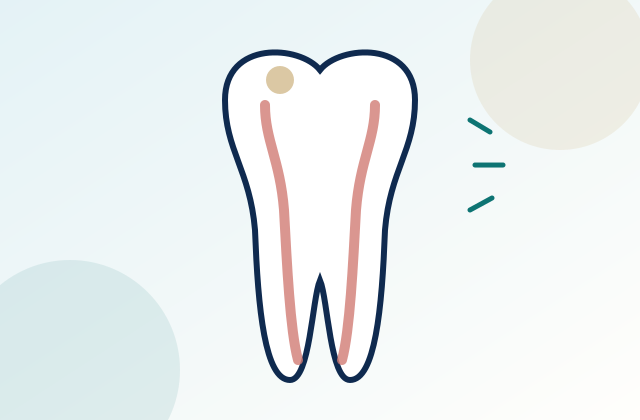
Toothache, cavities & root canal — illustration
Dental

Toothache, cavities & root canal

Cavities start small and painless. When decay reaches the nerve it causes severe pain, and a root canal treatment may be advised to save the tooth.

Common symptoms

  • Sensitivity to hot, cold or sweet
  • Throbbing pain, especially at night
  • Swelling of the gum or face
  • Bad taste or a visible hole in the tooth
When to see a doctor

You have a toothache lasting more than a day or two, facial swelling, or fever with tooth pain.

Usual tests: Dental examination and dental X-ray.

Book a consultation
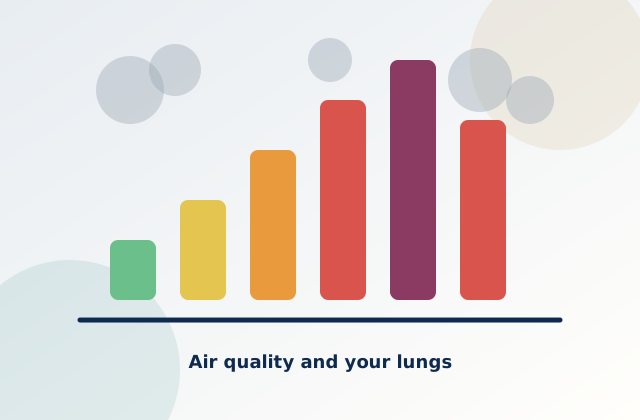
Stubble smoke & air pollution — illustration
Chest & lungs

Stubble smoke & air pollution

Fine particles in polluted air irritate the airways. People with asthma, COPD, heart disease, children and older adults are most affected.

Common symptoms

  • Cough, throat irritation, watery eyes
  • Wheeze or chest tightness
  • Breathlessness on mild effort
  • Worsening of existing asthma or COPD
When to see a doctor

Symptoms are not settling, you need your reliever more often, or an older person or child is struggling to breathe.

Usual tests: Spirometry and examination to check how your lungs are coping.

Book a consultation
Spirometry & lung function test — illustration
Procedure

Spirometry & lung function test

A simple breathing test that measures how much air you can blow out and how fast.

How it is done: You breathe into a mouthpiece connected to a machine as instructed. It is non-invasive and takes a few minutes.

Why it is done: To diagnose and monitor asthma, COPD and other breathing problems.

Preparation: Wear loose clothing, avoid a heavy meal beforehand, and tell the doctor about inhalers you use.

Availability of a specific test or procedure can change — please call the hospital to confirm before you visit.

Book a consultation
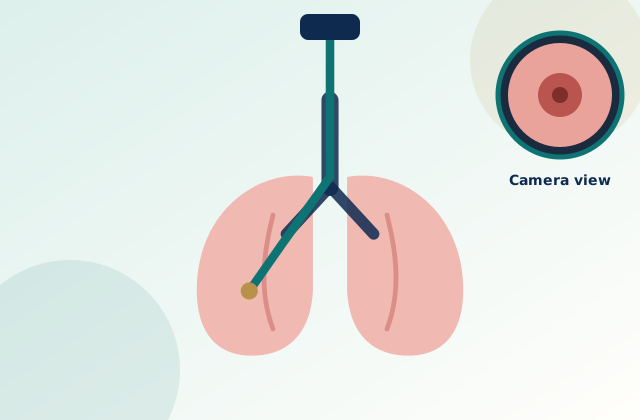
Bronchoscopy — illustration
Procedure

Bronchoscopy

A thin, flexible camera tube lets the doctor look inside the windpipe and lung airways.

How it is done: Done by a chest physician, usually with numbing medicine. Samples can be taken for testing when needed.

Why it is done: To find the cause of a long-standing cough, coughing blood, an abnormal X-ray or a blocked airway.

Preparation: Follow the fasting instructions given by the hospital and share your medicines and allergies.

Availability of a specific test or procedure can change — please call the hospital to confirm before you visit.

Book a consultation
Pleural tapping (thoracentesis) — illustration
Procedure

Pleural tapping (thoracentesis)

A needle is used to draw out fluid collected around the lung, to relieve breathlessness and to test the fluid.

How it is done: Done under local anaesthetic, often guided by ultrasound.

Why it is done: To find the cause of a pleural effusion and ease breathing.

Preparation: Tell the doctor about blood thinners; follow the advice you are given before and after.

Availability of a specific test or procedure can change — please call the hospital to confirm before you visit.

Book a consultation
FNAC (fine needle aspiration cytology) — illustration
Procedure

FNAC (fine needle aspiration cytology)

A very thin needle collects a few cells from a lump or swelling for examination under the microscope.

How it is done: A quick outpatient test with minimal discomfort.

Why it is done: To help find the cause of lumps and swellings.

Preparation: Usually no special preparation; tell the doctor if you take blood thinners.

Availability of a specific test or procedure can change — please call the hospital to confirm before you visit.

Book a consultation
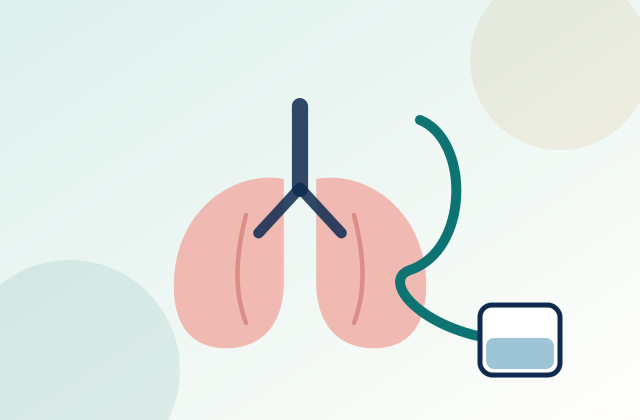
Chest tube insertion — illustration
Procedure

Chest tube insertion

A small tube is placed between the ribs to drain air or fluid around the lung.

How it is done: Done under local anaesthetic in a procedure area; the tube is connected to a drainage system.

Why it is done: For collapsed lung (pneumothorax), large effusions or infection around the lung.

Preparation: This is a hospital procedure; the doctor will explain the steps, risks and expected stay.

Availability of a specific test or procedure can change — please call the hospital to confirm before you visit.

Book a consultation

This page gives general information and does not replace a doctor’s advice. If you have severe breathlessness, chest pain, blue lips, fainting or are coughing blood, call 8437343300 or go to the nearest emergency department.

Good to know

Quick answers

What are the symptoms of asthma?

Wheezing or a whistling sound while breathing Cough, especially at night or early morning Chest tightness.

What are the symptoms of COPD?

Cough with phlegm for months Breathlessness while walking or climbing stairs Frequent chest infections.

What are the symptoms of chronic cough & tuberculosis?

Cough for more than two weeks Fever, night sweats or unexplained weight loss Coughing up blood-stained sputum.

What are the symptoms of breathlessness?

Breathing faster or harder than normal Needing to stop while walking or talking Waking up breathless at night.

What are the symptoms of pleural effusion?

Breathlessness, especially lying flat Dull chest pain that worsens on deep breaths Dry cough.

What are the symptoms of knee pain & arthritis?

Pain while climbing stairs or standing up Morning stiffness or swelling Clicking or giving way of the knee.

Not sure which doctor to see?

Call our reception or send a WhatsApp message and we will guide you.